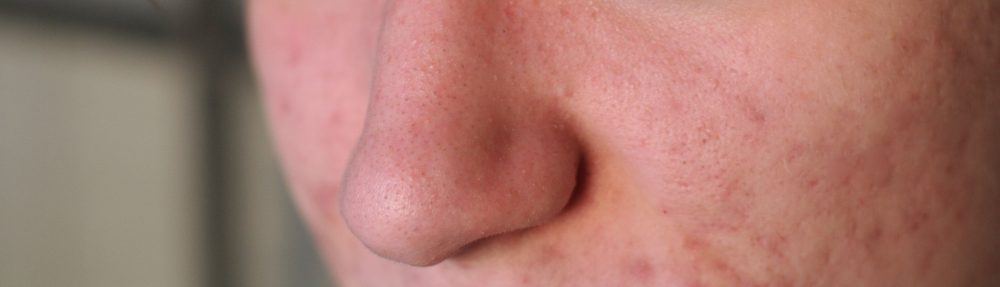
If your acne seems to flare up at certain times of the month, or got significantly worse during puberty, hormones are likely playing a major role. Hormonal acne is incredibly common — and understanding the connection can help you find more effective treatment.
The Hormone-Acne Connection
Hormones — particularly androgens like testosterone — directly stimulate the sebaceous glands in your skin to produce more sebum (oil). When sebum production increases, pores are more likely to become clogged, creating the conditions for acne to develop. This is why acne is so prevalent during puberty, when androgen levels surge in both males and females.
Who Gets Hormonal Acne?
Hormonal acne affects people of all ages and genders, but is particularly common in teenage boys and girls during puberty, women in their 20s, 30s, and 40s, women in the week before their menstrual period, pregnant women, and people experiencing significant stress (stress triggers cortisol, which in turn stimulates oil production).
Where Does Hormonal Acne Appear?
Hormonal acne tends to cluster in specific areas — particularly the lower face, jawline, chin, and neck. This pattern is a useful clue that hormones may be the primary driver of your acne.
The Role of Specific Hormones
Androgens such as testosterone and DHEA-S are the primary drivers of hormonal acne. They bind to receptors in the skin and trigger increased sebum production. Estrogen generally has a balancing effect — when estrogen levels drop (as they do before menstruation), androgens have a more pronounced effect. Cortisol, the stress hormone, can also worsen acne by stimulating oil glands and promoting inflammation.
Hormonal Acne in Women
Many women notice a predictable pattern — acne flares in the days leading up to their period, then improves once menstruation begins. This cyclical pattern is a hallmark of hormonally driven acne. Conditions like polycystic ovary syndrome (PCOS) can cause significantly elevated androgen levels and severe, persistent acne.
Treatment Options for Hormonal Acne
Unlike other types of acne, hormonal acne often responds poorly to topical treatments alone. More effective approaches may include combined oral contraceptive pills which regulate hormone levels, spironolactone which blocks androgen receptors in the skin, and topical treatments like retinoids and benzoyl peroxide used alongside hormonal therapies. A dermatologist or gynecologist can help determine the best approach based on your specific hormonal profile.
When to See a Doctor
If your acne follows a clear hormonal pattern, is concentrated along the jawline and chin, doesn’t respond to over-the-counter treatments, or is accompanied by other symptoms like irregular periods or excess hair growth, it’s worth seeing a doctor to evaluate your hormone levels.
Disclaimer: The information on this page is provided for educational and background purposes only and does not constitute specific medical advice. Always consult your healthcare provider regarding your personal acne concerns and before starting any new treatment. Do not use any treatment, oral or topical, if you are pregnant, planning to become pregnant or nursing, without consulting your provider.