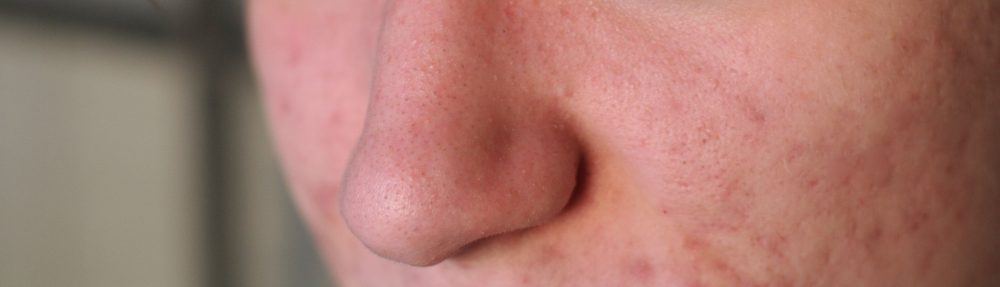
Isotretinoin is widely considered the most powerful and effective treatment available for severe acne. For patients who have struggled with acne for years without success, it can be life-changing. But it also comes with significant considerations that require careful medical supervision.
What is Isotretinoin?
Isotretinoin is an oral medication derived from vitamin A. It was first approved by the FDA in 1982 under the brand name Accutane — a name that many people still use generically even though the original brand is no longer available. Today it is sold under several brand names including Absorica, Claravis, Myorisan, Amnesteem, and Zenatane, as well as in generic form.
Unlike other acne treatments that address one or two causes of acne, isotretinoin simultaneously targets all four major factors that contribute to acne — excess oil production, clogged pores, bacteria, and inflammation. This comprehensive mechanism is why it’s so uniquely effective.
How Does Isotretinoin Work?
Isotretinoin works through several powerful mechanisms. It dramatically reduces the size and activity of sebaceous (oil) glands — typically by 35-58% — leading to a significant reduction in sebum production. It normalizes the shedding of skin cells inside the follicle, preventing pores from becoming clogged. It reduces the population of Cutibacterium acnes bacteria on the skin. And it has potent anti-inflammatory effects that calm existing lesions.
Who is Isotretinoin For?
Isotretinoin is typically reserved for patients with severe nodular or cystic acne that has not responded adequately to other treatments including oral antibiotics and topical therapies. It may also be appropriate for patients with moderate acne that keeps relapsing after other treatments, acne that is causing significant psychological distress, or acne that is leaving permanent scars.
How is it Taken?
Isotretinoin is taken orally, usually once or twice daily with food — fat helps with absorption. A typical course of treatment lasts 4-6 months, though this varies depending on the dose and the patient’s response. The total cumulative dose over the course of treatment is an important factor in determining long-term remission rates. Many patients experience a lasting remission or complete clearing after a single course — making it the only acne treatment with the potential for a permanent cure.
The iPLEDGE Program
Because of its serious potential side effects — particularly its risk of severe birth defects — isotretinoin is available in the United States only through a restricted distribution program called iPLEDGE. All patients, prescribers, and pharmacies must be registered in the program. Female patients of childbearing potential must use two forms of contraception simultaneously and have monthly pregnancy tests. Male patients are also required to be registered in the program.
Side Effects
Isotretinoin has a wide range of potential side effects, which is why close medical monitoring is essential throughout treatment.
Common side effects include dryness of the lips, skin, eyes, and nasal passages — this is almost universal and can be managed with moisturizers and lip balm. Increased sun sensitivity is also common, making daily sunscreen essential. Some patients experience temporary hair thinning, muscle aches, and elevated triglyceride levels which are monitored through regular blood tests.
Serious but less common side effects include inflammatory bowel disease, though the evidence for this association remains debated. Mood changes and depression have been reported — patients and their families should monitor for any changes in mood or behavior and report them to their provider immediately. Vision changes including decreased night vision can occur and may persist after stopping the medication.
The Pregnancy Risk
Isotretinoin is severely teratogenic — meaning it causes serious birth defects if taken during pregnancy. Even a single dose can cause devastating fetal abnormalities. This is why the iPLEDGE program requirements are so strict, and why female patients of childbearing potential must use two forms of contraception and have monthly pregnancy tests. Isotretinoin must never be taken during pregnancy under any circumstances.
What to Expect During Treatment
Many patients experience an initial flare of acne during the first few weeks of treatment before improvement begins. This is normal and expected. Dryness of the lips and skin typically begins within the first few weeks and persists throughout treatment. Regular blood tests are required to monitor liver enzymes, cholesterol, and triglycerides. Monthly office visits and pregnancy tests (for female patients) are required throughout the course of treatment.
Long-Term Results
For many patients isotretinoin produces dramatic, long-lasting results. Studies show that approximately 85% of patients see significant improvement, and many experience complete and permanent clearing after a single course. Some patients require a second course — this is not uncommon and does not indicate treatment failure.
Disclaimer: The information on this page is provided for educational and background purposes only and does not constitute specific medical advice. Always consult your healthcare provider regarding your personal acne concerns and before starting any new treatment. Do not use any treatment, oral or topical, if you are pregnant, planning to become pregnant or nursing, without consulting your provider.