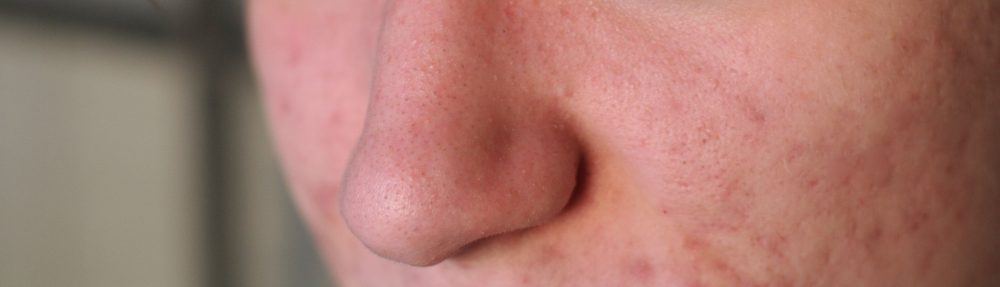
If you’ve ever noticed small, dark spots on your nose, chin, or forehead, chances are you’ve encountered blackheads. They’re one of the most common forms of acne — and one of the most misunderstood.
What Exactly is a Blackhead?
A blackhead is a type of acne called an open comedone. It forms when a hair follicle becomes clogged with a combination of dead skin cells and sebum — the natural oil your skin produces. Unlike whiteheads, blackheads have an open surface, which exposes the clogged material to air. When that material oxidizes, it turns dark — giving blackheads their characteristic black or dark brown color.
Contrary to popular belief, blackheads are not caused by dirt. The dark color comes from oxidation, not filth. Scrubbing harder won’t make them go away — and can actually make things worse.
Where Do Blackheads Appear?
Blackheads most commonly appear on the nose, chin, and forehead — collectively known as the T-zone — because these areas have the highest concentration of oil glands. They can also appear on the back, chest, neck, and shoulders.
What Causes Blackheads?
Several factors contribute to blackhead formation including excess sebum production, a buildup of dead skin cells, hormonal changes (especially during puberty, menstruation, or pregnancy), certain skincare and cosmetic products that clog pores, and humidity and sweat.
How Are Blackheads Treated?
Common treatments include salicylic acid cleansers which help dissolve the material inside pores, topical retinoids which promote skin cell turnover and prevent clogging, benzoyl peroxide which reduces bacteria and excess oil, and professional extractions performed by a dermatologist or licensed esthetician. Pore strips can provide temporary relief but don’t address the underlying cause.
What to Avoid
Avoid squeezing or picking blackheads — this can push bacteria deeper into the skin, cause inflammation, and lead to scarring. Also avoid heavy, pore-clogging moisturizers and makeup. Look for products labeled “non-comedogenic.”
—-
Disclaimer: The information on this page is provided for educational and background purposes only and does not constitute specific medical advice. Always consult your healthcare provider regarding your personal acne concerns and before starting any new treatment. Do not use any treatment, oral or topical, if you are pregnant, planning to become pregnant or nursing, without consulting your provider.