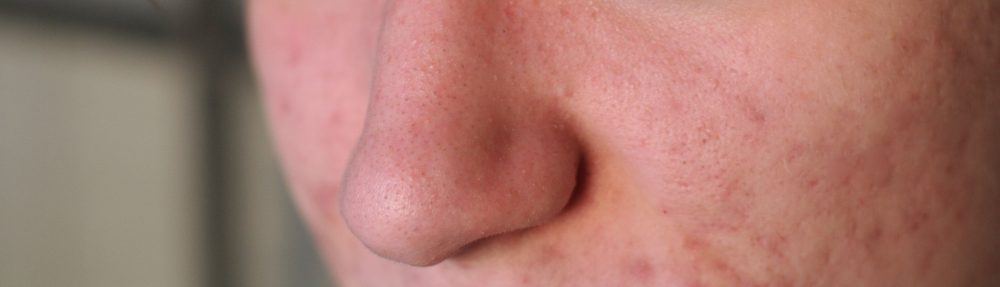
Whiteheads are one of the most common and recognizable forms of acne. Small, white or flesh-colored bumps that seem to appear out of nowhere — they affect almost everyone at some point. Here’s what’s actually happening beneath the surface.
What Exactly is a Whitehead?
A whitehead is a type of acne called a closed comedone. Like a blackhead, it forms when a hair follicle becomes clogged with excess sebum and dead skin cells. The key difference is that a whitehead has a closed surface — the skin grows over the clogged pore, trapping the material inside and preventing it from being exposed to air. This is why whiteheads stay white or flesh-colored rather than turning dark.
Where Do Whiteheads Appear?
Whiteheads can appear anywhere on the face but are most common on the nose, chin, cheeks, and forehead. They also frequently appear on the chest, back, and shoulders — areas with a high density of oil glands.
What Causes Whiteheads?
The same factors that cause blackheads contribute to whiteheads including excess oil production, buildup of dead skin cells that don’t shed properly, hormonal fluctuations during puberty, menstruation, pregnancy, or stress, using skincare or makeup products that clog pores, and diet — particularly high-glycemic foods and dairy in some individuals.
How Are Whiteheads Treated?
Effective treatments include salicylic acid which penetrates pores and helps dissolve the clog, benzoyl peroxide which kills acne-causing bacteria and reduces oil, topical retinoids which speed up skin cell turnover and prevent pores from becoming clogged, and gentle exfoliation to remove dead skin cells. For persistent whiteheads, a dermatologist may recommend prescription-strength treatments. Benzoyl peroxide may stain clothes and towels as well as cause an allergic reaction in some individuals.
What to Avoid
Never squeeze or pop whiteheads. Breaking the skin barrier introduces bacteria, increases inflammation, and significantly raises the risk of permanent scarring. Stick to non-comedogenic skincare and makeup products — these are specifically formulated not to clog pores.
Prevention Tips
Wash your face twice daily with a gentle cleanser, change pillowcases frequently, keep hair products away from your face, and stay hydrated. Consistency is key — most topical treatments take 6-8 weeks to show results.
Disclaimer: The information on this page is provided for educational and background purposes only and does not constitute specific medical advice. Always consult your healthcare provider regarding your personal acne concerns and before starting any new treatment. Do not use any treatment, oral or topical, if you are pregnant, planning to become pregnant or nursing, without consulting your provider.