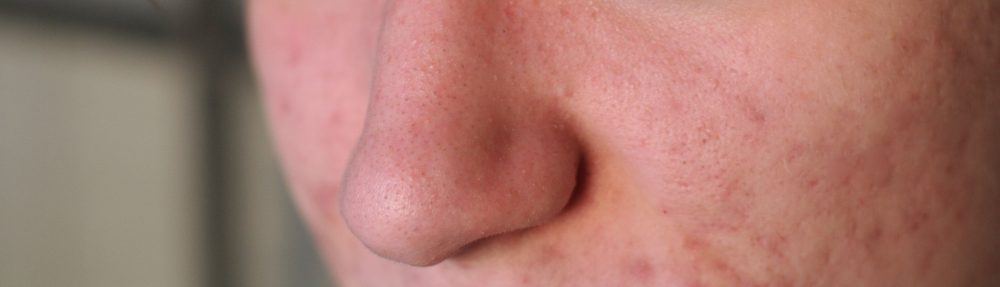
Topical treatments — products applied directly to the skin — are the foundation of most acne treatment plans. From over-the-counter cleansers to prescription creams, understanding your options helps you make smarter choices and set realistic expectations.
Benzoyl Peroxide
Benzoyl peroxide is one of the most effective and widely used acne treatments available. It works by killing Cutibacterium acnes (formerly known as P. acnes) — the bacteria that contributes to inflammatory acne — and by reducing excess oil and helping to unclog pores.
It’s available over the counter in concentrations ranging from 2.5% to 10%. Higher concentrations are not necessarily more effective and tend to cause more irritation. Starting with a lower concentration and gradually increasing is generally recommended.
Common side effects include dryness, peeling, and irritation — especially when first starting treatment. Benzoyl peroxide can also bleach fabrics, so be careful with towels, pillowcases, and clothing. There is some concern about absorption and long term use of benzoyl peroxide products which you should discuss with your health care provider.
Topical Retinoids
Topical retinoids are derivatives of vitamin A and are considered among the most effective treatments for acne. They work by speeding up skin cell turnover, preventing dead cells from clogging pores, and reducing inflammation. Over time they can also help fade post-acne dark spots and improve skin texture.
Over-the-counter options include adapalene (Differin), which is available in 0.1% gel formulation. Prescription-strength retinoids include tretinoin, tazarotene, and trifarotene — these are stronger and more effective but also more likely to cause irritation.
When starting a retinoid, many people experience an initial purging phase — a temporary worsening of acne as the skin adjusts. This usually resolves within 4-6 weeks. Start slowly — apply every other night and gradually increase to nightly use as tolerated. Always use sunscreen during the day as retinoids increase sun sensitivity.
Topical Antibiotics
Topical antibiotics work by reducing the population of acne-causing bacteria on the skin and decreasing inflammation. The most commonly prescribed topical antibiotics for acne are clindamycin and erythromycin.
They are available as gels, lotions, and solutions, and are usually applied once or twice daily. Topical antibiotics are most effective when used in combination with benzoyl peroxide — this combination also helps prevent antibiotic resistance, which is a growing concern in acne treatment. For this reason topical antibiotics are rarely recommended as a standalone treatment.
Salicylic Acid
Salicylic acid is a beta hydroxy acid (BHA) that penetrates into pores and helps dissolve the material that causes blackheads and whiteheads. It also has mild anti-inflammatory properties. It’s widely available in cleansers, toners, spot treatments, and moisturizers in concentrations of 0.5% to 2%. It’s particularly effective for non-inflammatory acne like blackheads and whiteheads.
Azelaic Acid
Azelaic acid is a naturally occurring acid with antibacterial and anti-inflammatory properties. It’s effective against both inflammatory and non-inflammatory acne and has the added benefit of reducing post-inflammatory hyperpigmentation — the dark marks left behind after acne heals. It’s available over the counter in lower concentrations and by prescription in higher concentrations (15-20%). It’s generally well tolerated and is considered safe for use during pregnancy — though always consult your provider first.
Dapsone
Dapsone gel (Aczone) is a prescription topical antibiotic with anti-inflammatory properties. It’s particularly effective for inflammatory acne in adult women. It’s generally well tolerated with minimal irritation.
Clascoterone
Clascoterone (Winlevi) is a newer prescription topical treatment that works by blocking androgen receptors in the skin — essentially addressing one of the root hormonal causes of acne at the skin level. It’s approved for both males and females aged 12 and older.
How Long Do Topical Treatments Take to Work?
Patience is essential with topical acne treatments. Most require consistent use for at least 6-8 weeks before meaningful improvement is visible. Maximum results typically take 3-6 months. Starting a treatment and stopping after two weeks because you don’t see results is one of the most common mistakes acne patients make.
Tips for Using Topical Treatments
Apply to clean, dry skin. Use a pea-sized amount of retinoid for the entire face. Moisturize to minimize dryness and irritation. Always wear sunscreen during the day. Introduce one new product at a time so you can identify any irritants.
Disclaimer: The information on this page is provided for educational and background purposes only and does not constitute specific medical advice. Always consult your healthcare provider regarding your personal acne concerns and before starting any new treatment. Do not use any treatment, oral or topical, if you are pregnant, planning to become pregnant or nursing, without consulting your provider.