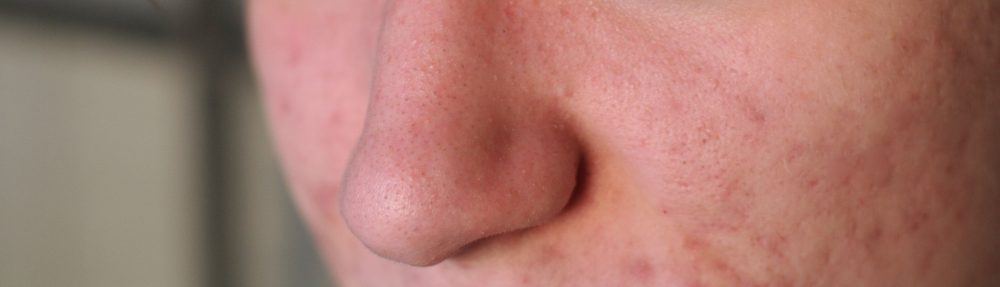
If you have acne-prone skin, the products you put on your face matter just as much as the treatments you use to fight breakouts. Using the wrong moisturizer, sunscreen, or foundation can undo all your hard work by clogging pores and triggering new breakouts. Understanding non-comedogenic skincare is essential for anyone dealing with acne.
What Does Non-Comedogenic Mean?
The word “comedogenic” refers to a product’s tendency to clog pores and cause comedones — the technical term for blackheads and whiteheads. Non-comedogenic products are specifically formulated to minimize pore-clogging. They tend to be lighter, oil-free, and less likely to contribute to breakouts.
It’s important to note that “non-comedogenic” is not a regulated term — no official standard governs its use. However, reputable skincare brands test their products for comedogenicity, and the label is generally a reliable guide for acne-prone skin.
Why Does It Matter?
Your skin naturally produces sebum to stay moisturized. When you add heavy, pore-clogging products on top, you’re adding to the congestion that leads to acne. This is especially problematic for people who already produce excess oil or have naturally congested pores.
Even if you’re using effective acne treatments, applying comedogenic products can counteract their benefits — keeping you stuck in a frustrating cycle of breakouts.
What Ingredients to Avoid
Some ingredients are known to be highly comedogenic and are best avoided by acne-prone skin. These include coconut oil, cocoa butter, wheat germ oil, isopropyl myristate, lanolin, and some silicones. Heavy petroleum-based products and thick creams designed for very dry skin are also common culprits.
What Ingredients to Look For
Acne-friendly ingredients that moisturize without clogging pores include hyaluronic acid which draws moisture into the skin without adding oil, niacinamide which reduces inflammation and helps regulate sebum production, glycerin which is a lightweight humectant that hydrates without heaviness, zinc oxide which is non-comedogenic and also provides sun protection, and dimethicone which is a lightweight silicone that is generally well tolerated by acne-prone skin.
Choosing the Right Products
Cleanser: Look for gentle, non-stripping cleansers. Foaming cleansers with salicylic acid work well for oily and acne-prone skin. Avoid harsh scrubs that can irritate and inflame skin.
Moisturizer: Even oily and acne-prone skin needs moisture. Choose oil-free, lightweight gel or lotion formulations rather than heavy creams. Look for “oil-free” and “non-comedogenic” on the label.
Sunscreen: Sunscreen is non-negotiable — many acne treatments increase sun sensitivity. Consider mineral sunscreens with zinc oxide or titanium dioxide, or lightweight chemical sunscreens formulated for acne-prone skin.
Makeup: Choose oil-free, non-comedogenic foundations and concealers. Powder formulations are generally less pore-clogging than liquid. Always remove makeup thoroughly before bed.
Practical Tips
Introduce new products one at a time so you can identify any that trigger breakouts. Patch test new products on a small area of skin before applying to your whole face. Keep your skincare routine simple — more products mean more potential irritants. Clean makeup brushes and applicators regularly as they harbor bacteria.
Disclaimer: The information on this page is provided for educational and background purposes only and does not constitute specific medical advice. Always consult your healthcare provider regarding your personal acne concerns and before starting any new treatment. Do not use any treatment, oral or topical, if you are pregnant, planning to become pregnant or nursing, without consulting your provider.